Why a Pizza Restaurant Is Perfect for Weekend Dining
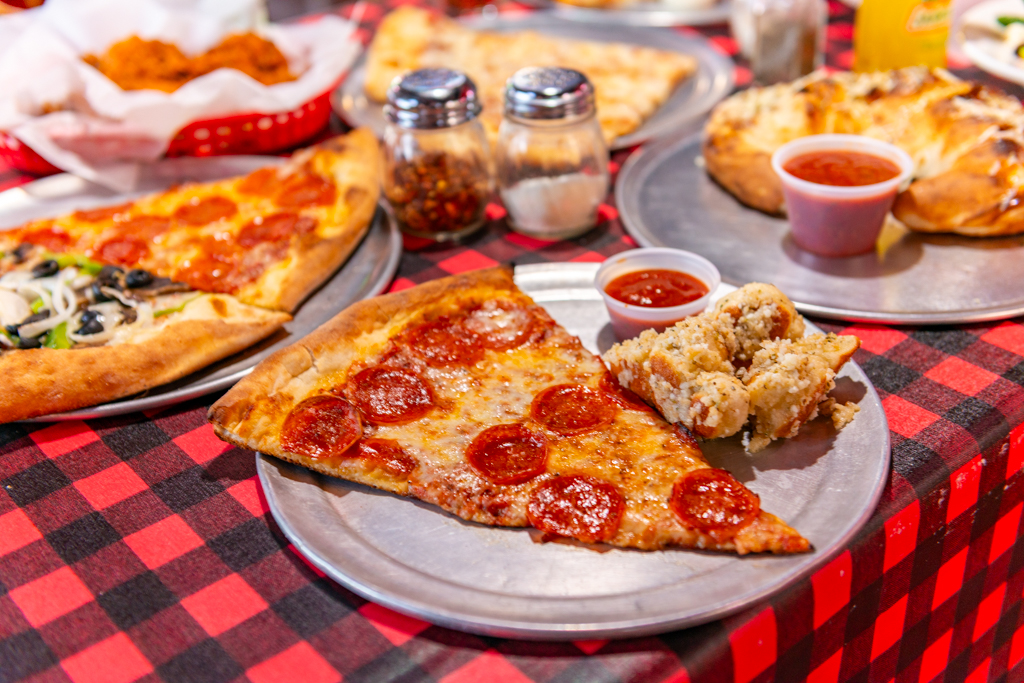

Weekend dining carries a different kind of expectation than a midweek meal. On a Tuesday, people often want speed, convenience, and something familiar enough to fit between work and sleep. By Friday evening or Sunday afternoon, the mood changes. People want release. They want a place that feels easy without feeling careless, lively without feeling exhausting, and satisfying without turning the meal into a logistical exercise. That is where a pizza restaurant tends to shine.
After years of watching how families, couples, and groups choose where to spend their limited free time, one pattern remains remarkably steady. When people want a meal that works for almost everyone at the table, they gravitate toward pizza. Not because it is the simplest option, but because it solves more weekend dining problems than most restaurants can. It suits different appetites, different budgets, different age groups, and different ideas of what a good night out should feel like.
The appeal is not just about melted cheese and crisp crust, though that certainly helps. A good pizza restaurant offers a rare mix of flexibility and atmosphere. It can anchor a spontaneous Friday dinner, a Saturday birthday gathering, a post-game family meal, or a slow Sunday lunch with friends. Few dining formats are as adaptable.
The weekend asks for ease, not effort
People often underestimate how much mental energy goes into choosing a restaurant. By the weekend, that decision fatigue is real. Someone wants comfort food. Someone else wants a lighter option. One person is vegetarian. Another wants a beer. The children need something they will actually eat. Nobody wants to dress up too much, spend too much, or wait an hour for a table that does not feel worth the trouble.
A pizza restaurant handles those competing priorities unusually well. The format is straightforward, and that matters. Guests generally understand the menu quickly. They know what a classic margherita is. They can build their own pie if they have dietary preferences. They can add salad, wings, roasted vegetables, pasta, or dessert depending on the place. The meal feels social rather than rigid, which lowers the pressure on everyone involved.
That ease has real value. A weekend meal should not feel like a project. It should feel like an event people can settle into without friction. Pizza makes that possible because sharing is built into the experience. There is no awkwardness about ordering several dishes for the table. There is no need to commit everyone to one style of cuisine when tastes are mixed. People can negotiate toppings, order two or three pies, and move on to the enjoyable part of the evening.
It works for groups better than most dining formats
Group dining exposes the weaknesses of many restaurants. Steakhouses can become expensive quickly. Tasting menus exclude spontaneity. Small-plate concepts can create endless debates about quantity and value. Even casual restaurants sometimes struggle when one table includes grandparents, teenagers, and small children at the same time.
Pizza is one of the few foods that scales gracefully. Two people can split one pie and a salad. Eight people can order a spread that feels generous without becoming chaotic. Twelve can fill a long table and still eat at a comfortable pace. From an operational perspective, this is one reason a pizza restaurant is such a reliable weekend choice. The kitchen can produce food for a crowd efficiently, and the guests can share in a way that feels natural rather than forced.
There is also something subtly democratic about pizza. A table ordering multiple pies makes room for individual preference without turning those preferences into demands. One half can be mushrooms and olives, another can be sausage and peppers. One pie can stay simple for the children, another can lean spicy for the adults. Nobody feels trapped by the menu, and nobody has to make the entire table follow their appetite.
That flexibility reduces one of the most common sources of dining disappointment, which is mismatch. The larger the party, the greater the chance that at least one person walks away unsatisfied. Pizza reduces that risk better than almost any single-format meal.
The atmosphere tends to be relaxed in the right way
Not all weekend dinners need white tablecloths and hushed voices. In fact, many diners actively avoid that tone when they are trying to unwind. A strong pizza restaurant occupies a sweet spot between casual and intentional. It feels social, warm, and energetic, but not so formal that guests become self-conscious.
That atmosphere matters more than menus often do. People remember how a place made them feel. A room with the smell of baking dough, a visible oven, conversation rising from nearby tables, and servers moving with confidence can make a simple dinner feel like a genuine outing. The restaurant becomes part of the weekend ritual rather than just a stop for food.
I have seen this most clearly with multigenerational groups. A formal dining room can make younger children restless and older relatives uncomfortable if noise or pacing feels off. A loud sports bar can be too chaotic. A good pizza restaurant often threads the needle. It has enough energy to feel alive and enough familiarity to keep everyone at ease. Parents relax because the room allows for a little movement and noise. Couples relax because they do not feel rushed. Friends relax because sharing a meal naturally turns into staying longer for another drink or dessert.
That sense of permission is a major reason pizza works so well on weekends. People want to linger a little.
Value matters, and pizza delivers it honestly
One reason weekend dining can become disappointing is that expectations rise along with the bill. If a restaurant asks people to spend freely, the entire experience has to justify that cost. With pizza, value is usually visible. Guests can see what they are getting, gauge portion sizes, and share orders in a way that feels practical rather than stingy.
This is especially important for families. Taking four or five people out to eat has become expensive almost everywhere. A pizza restaurant often remains one of the few places where a group can order generously without the final check becoming a source of regret. Even in higher-end pizzerias, where naturally fermented dough, imported cheeses, or wood-fired ovens raise prices, the structure of the meal still tends to feel accessible. One or two pies, a salad, and drinks can feed several people well.
Value also has an emotional dimension. People are willing to spend on weekends when the meal feels abundant, communal, and comforting. Pizza checks all three boxes. It arrives whole, hot, and aromatic. It hits the table as something meant to be shared. There is visual generosity in that moment, and diners respond to it.
That does not mean every pizza restaurant is cheap, nor should it be. Quality ingredients cost money. Skilled dough work takes time. But even when the price point moves up, the experience still tends to feel straightforward. Guests know why they came and what they are getting.
Variety without culinary confusion
The best weekend restaurants offer choice without overwhelming people. Too much variety can make a menu feel unfocused. Too little can make it difficult for a mixed group to agree on anything. A good pizza restaurant usually lands in a more useful middle ground.
At its core, the menu revolves around a format people understand. From there, the restaurant can express style and creativity through crust, sauce, toppings, cheeses, seasonal ingredients, and side dishes. Neapolitan pies deliver tenderness and char. New York-style slices bring foldable structure and a balanced chew. Roman-inspired pizzas can emphasize crispness. Detroit-style pans offer caramelized edges and a rich, hearty bite. Each style changes the experience while preserving the basic appeal.
This range matters on weekends because diners are not always looking for the same thing. Some want comfort and nostalgia. Others want craft and ingredient quality. A pizza restaurant can satisfy both audiences more easily than many cuisines can. One guest can order a plain cheese and be perfectly happy. Another can look for soppressata, hot honey, roasted fennel, or burrata and feel equally satisfied.
That range also helps with recurring visits. The places that become weekend staples are usually not one-note. They offer enough familiarity to feel dependable and enough variation to avoid becoming dull. Pizza restaurants often manage that balance naturally.
Pizza matches the social rhythm of a weekend
Certain foods invite conversation, and pizza is one of them. It does not demand quiet focus the way an intricate tasting menu might. It does not arrive in staggered courses that interrupt the table every few minutes. It can be eaten at a comfortable pace, and that pace fits the social rhythm people seek on weekends.
When a table shares pizza, the meal unfolds collaboratively. Someone reaches for another slice, someone passes the chili oil, someone argues good-naturedly about pineapple, someone orders one more pie because the first two disappeared faster than expected. These small interactions create the feeling people often mean when they say they want to go out, not just eat out.
That distinction is important. Weekend dining is partly about food and partly about how food structures time with other people. Pizza gives the table a center of gravity. Everyone participates in the meal in a direct way. There is very little ceremony, which allows more room for conversation.
From a hospitality standpoint, this format also helps service. Staff can read the table more easily. They know when to pace drinks, when to fire the next pie, and when to suggest dessert. In well-run places, the meal feels fluid because the food format supports that flow.
It suits almost every kind of weekend occasion
The strongest case for a pizza restaurant is not that it is the best option for one specific kind of outing. It is that it works across many of them.
A Friday dinner after a long week calls for something restorative but not heavy with expectations. Pizza fits. A Saturday outing with friends needs a place where people can gather, talk loudly enough to hear one another, and split the bill without frustration. Pizza fits. A Sunday family meal often benefits from flexibility, broad appeal, and portions that satisfy both adults and children. Again, pizza fits.
It even works well for celebrations that do not require formality. Promotions, little league wins, visiting relatives, reunion dinners, and low-key birthdays all sit comfortably in a pizza restaurant. There is festivity built into shared food. Put a few well-made pies in the center of a table, and the room becomes instantly more convivial.
This is one reason restaurants built around pizza often become neighborhood anchors. They do not depend on a narrow use case. They become part of the weekly and monthly life of the community.
The best pizza restaurants understand pace
One of the hardest things for any restaurant to get right on weekends is timing. Guests do not want to wait forever, but they also do not want to feel rushed once seated. Pizza restaurants often perform well here because their service model naturally supports a balanced pace.
The food can arrive quickly enough to satisfy hungry tables, especially families with children, but the meal still leaves room to settle in. If guests want to keep things brief, they can. If they want another round of drinks and dessert, that also works. Few formats are as accommodating.
This pacing advantage becomes even more significant when plans are imperfect, which is common on weekends. Maybe one couple is running twenty minutes late. Maybe the soccer game finished later than expected. Maybe the grandparents are already seated while the younger family members are parking the car. Pizza is forgiving in those https://elliottnxxn979.opalvector.com/posts/the-art-of-hospitality-in-a-pizza-restaurant situations. Orders can be staggered without damaging the experience. A first pie can land while the table fills out. Late arrivals can still join comfortably.
Restaurants that handle weekends well are often the ones that understand how people actually live. Pizza restaurants, by design, tend to meet real schedules rather than ideal ones.
Comfort food can still show craftsmanship
Some diners make the mistake of treating pizza as simple food and therefore less worthy of serious dining attention. Anyone who has spent time around a strong pizzeria knows that is wrong. Great pizza requires judgment at every stage, from dough hydration and fermentation to oven management, topping balance, and timing.
That craftsmanship becomes part of the weekend appeal. Guests get the pleasure of comfort food with the quality signals of skilled cooking. You can taste the difference between dough that was rushed and dough that developed properly over a day or two. You can see it in the cornicione, feel it in the structure of the slice, and notice it in how the sauce and cheese support rather than swamp the crust.
For diners, this matters because the best weekend meals often balance familiarity with excellence. People want food they understand, but they want it done well. A pizza restaurant can offer exactly that. It can feel approachable while still demonstrating real technique.
The same is true of ingredients. Good mozzarella, ripe tomatoes, fresh basil, well-sourced meats, sharp olive oil, or seasonal vegetables elevate pizza without making it pretentious. That is a difficult balance to strike in restaurant culture, and pizzerias often do it better than expected.
It leaves room for individual preference
Weekend groups are rarely homogeneous. One person wants indulgence. Another wants something lighter. One person is avoiding meat. Another cares about gluten options. A third is mainly there for the house red and conversation. The beauty of a pizza restaurant is that it can hold those preferences in the same meal without making the table feel fragmented.
A couple can share a salad and one pie. A larger group can order several combinations. Many pizzerias now handle dietary restrictions more thoughtfully than they did a decade ago, offering vegetarian options that go beyond token toppings and, in some cases, gluten-conscious crusts or dairy-free cheese. These alternatives vary in quality, and not every place does them well, but the format itself is more adaptable than many cuisines.
That adaptability is especially useful when the group did not plan carefully. Weekend dining is often impulsive. People finish an errand, leave an event, or realize they do not want to cook. A pizza restaurant is usually one of the safer bets because it asks less of the group in advance.
There are trade-offs, and the good places manage them
No dining format is perfect. Pizza restaurants can become noisy, particularly on Friday and Saturday nights. Wait times at popular spots can stretch. Some kitchens lean too heavily on novelty toppings and forget that crust quality matters more. Others move so fast during peak hours that service loses its warmth.
The best places recognize these risks and manage them well. They design dining rooms with enough spacing to keep energy from turning into chaos. They train staff to communicate wait times honestly. They offer menus broad enough to suit varied diners but disciplined enough to protect quality. Most important, they remember that pizza may be casual, but hospitality should never be careless.
For guests, this means choosing wisely. A great pizza restaurant is not just a place that makes good dough. It is a place that understands how people want to spend their weekend time. It respects both appetite and mood.
Why people keep coming back
Restaurants that become weekend traditions usually do so for reasons deeper than food alone. They are reliable without feeling stale. They welcome different kinds of company. They create a setting where people can celebrate small things or simply recover from the week. Pizza restaurants often excel on all counts.
There is comfort in knowing that almost any group can walk into a good pizzeria and find common ground. There is pleasure in a meal designed for sharing, where generosity is built into the format. There is relief in dining out without overcomplicating the evening. And there is genuine satisfaction in food that can feel both simple and deeply well made.
That combination is hard to beat. A pizza restaurant turns weekend dining into what most people actually want it to be, easy to plan, enjoyable to share, flexible enough for real life, and memorable for all the right reasons. When a place can do that consistently, it earns its role not just as somewhere to eat, but as part of the weekend itself.